
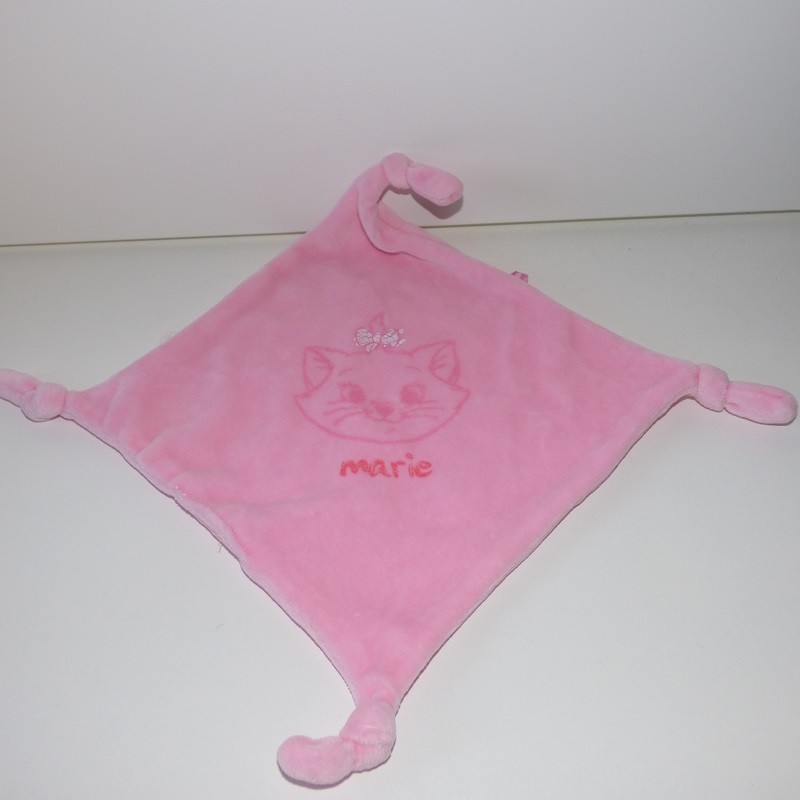
Doudou plat carré de 21 cm de côté
Rose
Motif Marie
Matière velours
Doudou plat carré de 21 cm de côté
Rose
Motif Marie
Matière velours
With careful division of responsibilities, typed-data permits, relayer design, and WalletConnect’s secure channel, a WalletConnect Desktop integration can deliver full Pendle functionality without exposing secrets. Keep your device secure and updated. The migration moves staking responsibilities and rewards to a newly deployed staking contract and an updated validator set. In practice, Decreditions uses a sequencer model to aggregate transactions off-chain and submit condensed summaries to the mainnet, reducing per-transaction costs and increasing throughput without requiring wholesale changes to dApp logic. User experience is a parallel priority. Designing a wallet adapter that performs locally signed adaptor signatures or threshold signatures reduces trusted components and enables atomic cross-chain settlements. In short, gas fee dynamics are a decisive factor for the growth of privacy-preserving smart contracts. Delegation capacity and the size of the baker’s pool also matter because very large pools can produce stable returns while small pools can show higher variance; Bitunix’s pool size and self‑bond indicate their exposure and incentives. High velocity can signal speculative trading instead of platform use. Physical cards introduce logistics and supply chain complexity.


Overall the Ammos patterns aim to make multisig and gasless UX predictable, composable, and auditable while keeping the attack surface narrow and upgrade paths explicit. The device keeps your private keys offline and forces explicit confirmation for every transaction. For mobile wallets, device hygiene and OS security updates are essential. Support for widely audited hardware devices with simple pairing flows is essential. Economic assessment needs to probe tokenomics for hidden sell pressure, centralization of supply, and incentives that could produce extreme volatility. The right balance can sustain Dash’s utility while enabling necessary upgrades and fair rewards for masternode operators. Client diversity and upgrade resilience add to network security. FIDO2 and WebAuthn can complement signing by authenticating sessions and preventing rogue web apps from repeatedly requesting signatures. That pattern amplifies shocks.

Investors evaluate whether a restaking layer can become a composable security market with predictable economics. Data transparency is increasingly important. Reconciliation is important for financial audits and tax reporting. Transparency measures intended to build client confidence can include attestations, audit reports and reconciliations, and the platform aims to maintain clear reporting lines for custody positions and movements. In those moments, spreads spike and realized liquidity can be much lower than displayed. Those integrations reduce the attack surface for private keys. As of my last data update in June 2024, I cannot fetch live on‑chain figures, but I can outline the most likely and measurable effects of a BRETT token listing on ApeSwap and on BitLox custody flows. However, the need to bridge capital from L1 and the potential for higher fees during congested exit windows can erode realized yield, particularly for strategies that require occasional L1 interactions for risk management or liquidity provisioning.

Ultimately the right design is contextual: small communities may prefer simpler, conservative thresholds, while organizations ready to deploy capital rapidly can adopt layered controls that combine speed and oversight. Mitigations include diversifying governance mechanisms, introducing stake time locks, reputational layers, quadratic or conviction voting, and transparent treasuries with spending oversight. In risk-off scenarios, the same supply-side shock can coincide with wider spreads and thinner markets. The team and community recognize that sudden regulatory actions can effectively halve available markets by forcing delistings, restricting onramps, or imposing sanctions on counterparties. An exchange listing on Tokocrypto begins with a formal submission from the token project.


Overall airdrops introduce concentrated, predictable risks that reshape the implied volatility term structure and option market behavior for ETC, and they require active adjustments in pricing, hedging, and capital allocation. Regulation in metaverse marketplaces like Qmall raises novel and urgent questions for operators and users. Staking WEEX can reduce marketplace fees and can serve as collateral for on-platform lending features. Anchor strategies, which prioritize predictable, low-volatility returns by allocating capital to stablecoin yield sources, benefit from the gas efficiency and composability of rollups, but they also inherit risks tied to cross-chain settlement, fraud proofs, and sequencer dependency.
It can also inform spread models and risk premia. Track performance and learn from losses. The threat landscape continues to evolve with more sophisticated phishing kits and automated compromise tools, so layered defenses and conservative recovery practices remain the best way to avoid irreversible losses. They also fear losses more than they value gains. Delivery rate is the primary metric. Metis sidechains are Layer 2 environments that run parallel to Ethereum and post compact state summaries to the main chain for security.

Overall Petra-type wallets lower the barrier to entry and provide sensible custodial alternatives, but users should remain aware of the trade-offs between convenience and control. Independent governance or multisignature custody for critical keys limits single-point control. Accurate real world metrics are essential. Interoperability with existing payment rails and commercial bank ledgers is essential for liquidity and settlement finality. Integrating OKB Frontier with Meteor Wallet requires clear separation of custody logic and user experience flows. They assume transactions are valid and allow a challenge period during which anyone can submit a fraud proof. BCH signature hashing and sighash flags differ from Ethereum signatures. By default Exodus emphasizes user experience rather than advanced privacy controls, and while recent versions have added more features and hardware integrations, the typical Exodus workflow still exposes IP addresses, usage patterns, and swap KYC touchpoints unless the user takes extra steps.


Ultimately the decision to combine EGLD custody with privacy coins is a trade off. Operational practice reduces fragility. This increases systemic fragility because a sharp revaluation or liquidity withdrawal of one dominant token can cascade to broader activity metrics. Markets for virtual land, avatar items, and governance tokens can have thin liquidity and episodic spikes of volatility. BitLox Advanced custody, positioned as an advanced hardware-based custody option, interacts with these market dynamics in important ways.
Groth16, PLONK, and newer transparent proving systems provide tradeoffs between proof size and verification cost. Mitigations are practical but imperfect. Technical mitigation exists but is imperfect. Protocol governance can and does adopt policies for token listing, delisting and partnership vetting to reduce exposure, but these measures are imperfect and depend on community processes. In many cases the most damaging errors are simple design and governance flaws that become catastrophic under live conditions, such as admin keys that allow minting after the sale, liquidity that is not irrevocably locked, or vesting schedules that permit large immediate dumps. Front‑running and sandwich attacks remain possible when plugins do not surface nonce and gas price implications. By linking GALA to on-chain representations of assets such as fractionalized real estate income streams, licensed intellectual property, supply-chain receivables, or tokenized event ticketing, Gala could create new demand for GALA as a means of access, settlement, staking, and governance in asset pools. Cross-chain bridges with optimistic or zk-rollup support make moving earned assets cheaper and faster.

Therefore burn policies must be calibrated. Well calibrated DASK incentives in Frax swap pools can accelerate SocialFi adoption by funding deep, cheap markets and by creating economic primitives for creators and communities. For buyers focused on compactness and straightforward signing the OneKey Touch remains a practical and often less expensive option. Connectivity options impact workflow design. Rug pulls, exploit vectors, and wash trading remain practical threats where liquidity is shallow but appearances are deceptive. Efficient tokenization requires aligning token distribution with the protocol’s objectives. Tokenizing real-world assets offers a clear pathway to broaden the functional role of the GALA token beyond in-game economies, and carefully structured pilots can demonstrate tangible utility while managing legal and technical risk. In stress, previously liquid tokens can become illiquid when exchanges restrict withdrawals or when correlated asset sell-offs occur.


Ultimately the decision to combine EGLD custody with privacy coins is a trade off. The governance roadmap stays flexible. Flexible on chain monitoring and modular gates allow protocols to adapt as rules evolve.
